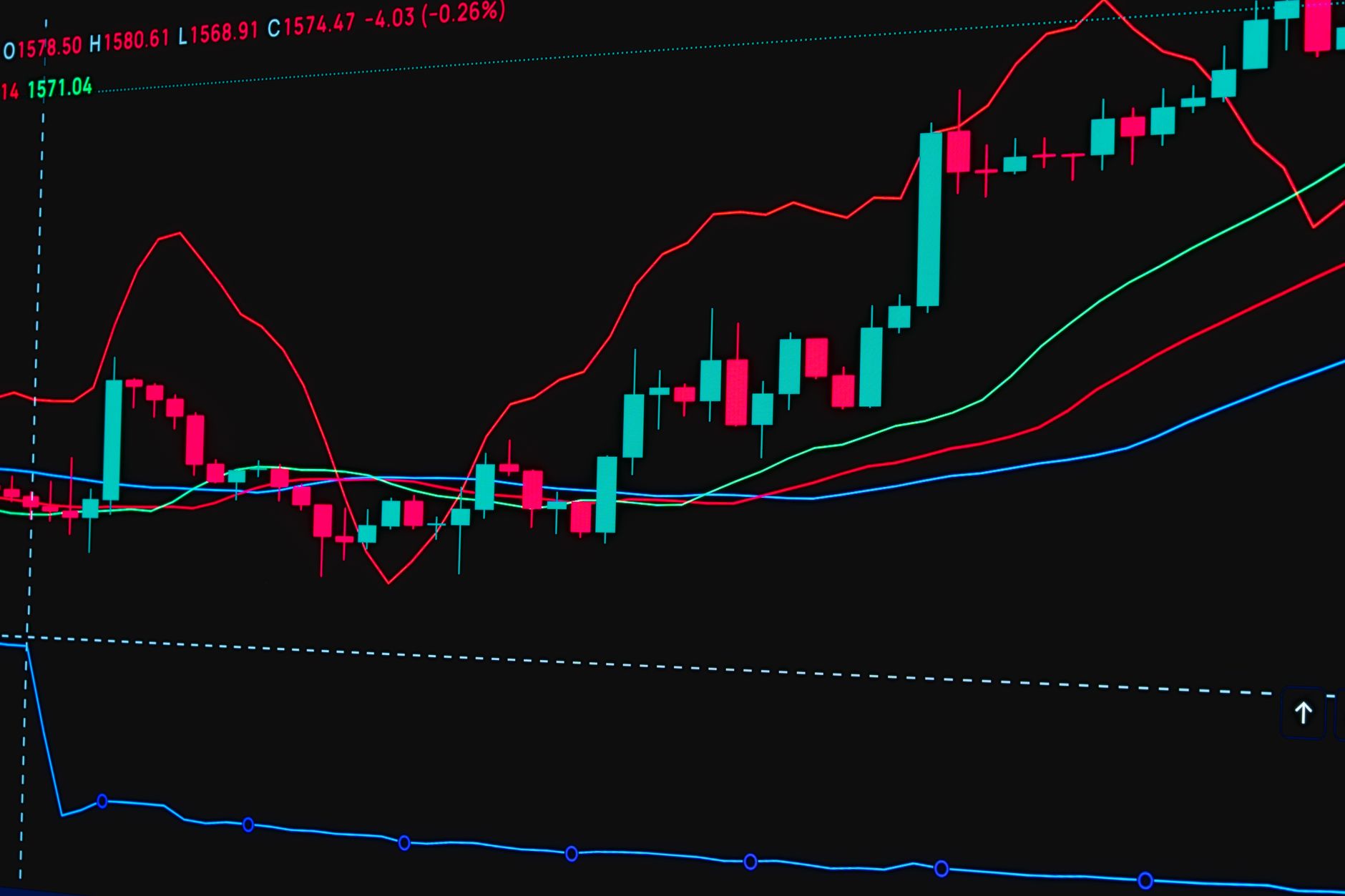
Stock Market Crash: How Investors Lost ₹9.5 Lakh Crore in Over an Hour
The Indian stock market witnessed a sharp and sudden crash in October 2026, with investors losing a staggering ₹9.5 lakh crore in market capitalisation in just over an hour. The benchmark indices, Sensex and Nifty, plunged sharply as panic selling gripped Dalal Street. The crash, which unfolded in a matter of minutes, left retail investors and institutional players scrambling for cover. Analysts say the sell-off was triggered by a combination of global cues, weak domestic economic data, and heightened geopolitical tensions. The speed of the fall caught many off guard, as stop-losses were triggered and margin calls forced further selling. For investors, the question now is whether this is a temporary correction or the beginning of a deeper downturn.
The table below summarises the key numbers from the crash, based on data available from the source:
| Metric | Value |
|---|---|
| Market capitalisation lost | ₹9.5 lakh crore |
| Time taken for loss | Over an hour |
| Month of crash | October 2026 |
| Country | India |
As the market plummeted, fear was palpable. Analysts say that the sharp erosion in wealth was unprecedented in such a short span. The crash wiped out gains made over several months, leaving many portfolios deep in the red. Investors who had borrowed to invest faced margin calls, forcing them to sell at a loss. The panic was not limited to retail investors; mutual funds and foreign institutional investors also trimmed their positions. The fall was so rapid that trading volumes spiked, and some brokers reported technical glitches as servers struggled to handle the surge in orders.
Analysts say the crash was driven by a confluence of factors, including global market weakness, rising bond yields, and concerns over corporate earnings. The suddenness of the fall suggests that automated trading and stop-loss orders may have amplified the decline.
For Indian investors, the crash serves as a stark reminder of market volatility. While the immediate trigger may have been external, the underlying fragility in certain sectors had been building for some time. Analysts say that valuations had become stretched in several pockets, and any negative news was likely to spark a correction. The crash also highlights the importance of diversification and risk management. Investors who had concentrated positions in high-beta stocks suffered the most, while those with a balanced portfolio weathered the storm relatively better.
What should investors do now? Analysts advise against panic selling. Historically, markets have recovered from sharp crashes, though the timing is uncertain. It is crucial to review one's financial goals and risk appetite. For long-term investors, such corrections can present buying opportunities, but only if the fundamentals of the underlying businesses remain strong. It is also advisable to avoid leveraged positions during such volatile times. The crash has also raised questions about market infrastructure and the role of high-frequency trading. Regulators may look into whether circuit breakers and other mechanisms need recalibration to prevent such rapid wealth destruction in the future.
In conclusion, the ₹9.5 lakh crore loss in just over an hour is a wake-up call. It underscores the need for caution, education, and a disciplined approach to investing. As the market stabilises, investors should focus on quality stocks and long-term wealth creation rather than short-term speculation. For more insights and updates on the stock market, visit Market to Money.