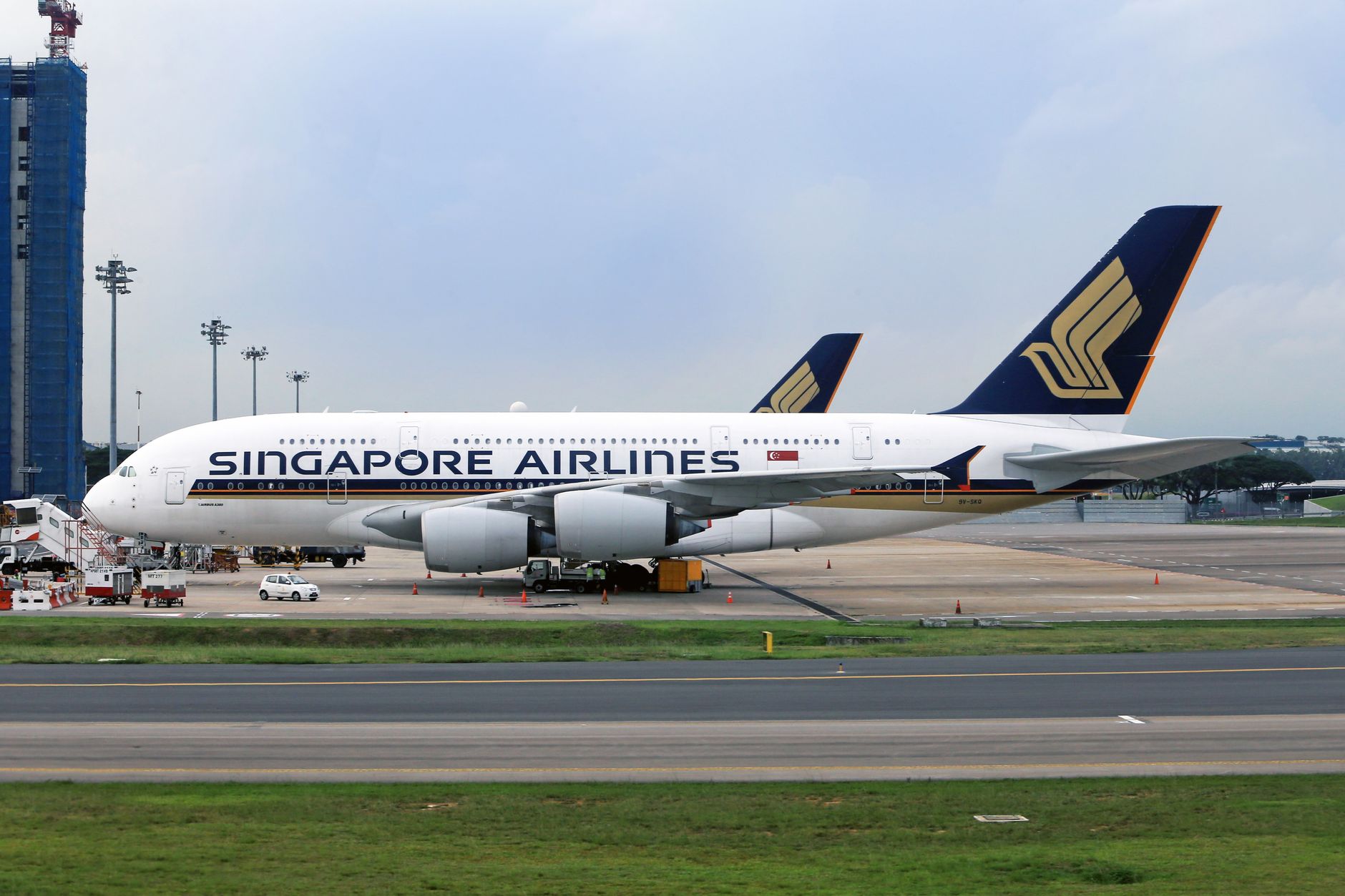
Singapore defends Air India bet, eyes overseas growth
Singapore has defended its flag carrier's investment in Air India, stressing the strategic need to expand overseas amid intensifying competition in the global aviation sector. The move underscores the city-state's push to secure a larger share of the fast-growing Indian aviation market, which has become a key battleground for international airlines. Analysts say the investment aligns with Singapore's long-term goal of strengthening its aviation hub status and tapping into India's rising demand for air travel.
India's aviation market has witnessed robust growth in recent years, driven by a rising middle class, urbanisation, and increased connectivity. The country is projected to become the third-largest aviation market by 2025, according to industry estimates. This potential has attracted significant foreign investment, with Singapore's sovereign wealth fund and other entities eyeing opportunities. The defence of the Air India bet comes as Singapore faces scrutiny over the rationale for deploying capital into a foreign carrier, especially when its own airline, Singapore Airlines, competes on many routes. However, analysts say the investment is not just about returns but about securing strategic slots and market access in one of the world's fastest-growing aviation markets.
Analysts say the investment is a calculated move to deepen Singapore's aviation ties with India and ensure its flag carrier remains competitive on long-haul routes.
The table below summarises key data points related to India's aviation market and Singapore's investment stance, based on available information.
| Metric | Details |
|---|---|
| India's projected aviation market rank by 2025 | Third-largest |
| Singapore's flag carrier | Singapore Airlines |
| Investment target | Air India |
| Key driver | Overseas expansion |
The investment in Air India is part of a broader trend where global carriers are forging partnerships and equity stakes to gain access to India's burgeoning aviation market. For Singapore, the move is seen as a way to hedge against competition from Middle Eastern carriers that dominate routes between India and the West. By having a stake in Air India, Singapore can potentially influence route planning and gain preferential access to Indian traffic. Moreover, it strengthens the bilateral aviation relationship between the two countries, which already have a strong trade and tourism corridor.
However, the bet is not without risks. Air India has historically faced operational inefficiencies, high debt, and intense competition from private carriers like IndiGo. Turning around the airline will require significant capital infusion and strategic restructuring. Analysts say the success of the investment will depend on how effectively Air India is integrated into the global aviation landscape and whether it can capture a larger share of international traffic. For Singapore, the payoff could be substantial if Air India emerges as a stronger competitor, but the journey will be long and capital-intensive.
From a broader perspective, the defence of the Air India bet highlights the evolving nature of aviation geopolitics. Countries are increasingly using their flag carriers as instruments of soft power and economic diplomacy. Singapore's move signals its intent to remain a key player in Asia's aviation story, even as it navigates challenges like rising fuel costs, climate concerns, and shifting travel patterns. For India, foreign investment in Air India could bring in much-needed expertise and capital, accelerating its turnaround.
In conclusion, Singapore's defence of its flag carrier's Air India investment is a strategic move aimed at overseas expansion and securing a foothold in India's rapidly growing aviation market. While risks remain, the potential benefits for both Singapore and India are significant. Investors and industry watchers will be keenly observing how this bet plays out in the coming years. For more insights on global aviation and investment trends, visit MarketToMoney.