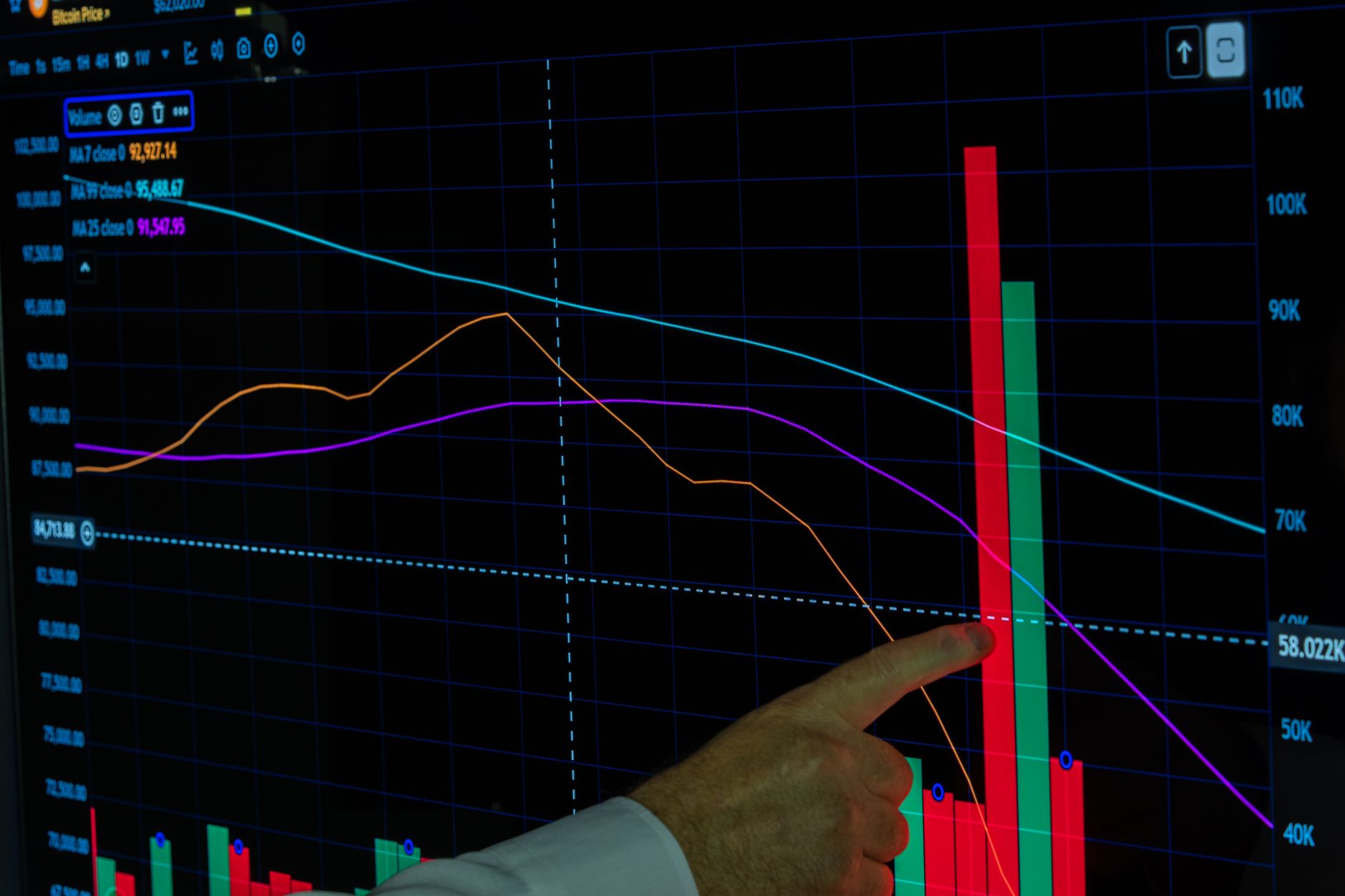
Sensex, Nifty Fall in Early Trade as Crude, US-Iran Tensions Weigh
Indian equity benchmarks opened lower on [date] as escalating crude oil prices and heightened geopolitical tensions between the US and Iran dampened investor sentiment. The BSE Sensex slipped over 200 points in early trade, while the NSE Nifty declined below the 24,800 mark. Market analysts attribute the fall to fears that supply disruptions in the Middle East could push global oil prices higher, impacting India's import bill and fiscal deficit.
Brent crude futures hovered near $90 per barrel, a level not seen in months, raising concerns about inflationary pressures. "Rising crude prices are a double-edged sword for India, as they widen the current account deficit and stoke domestic inflation," said a market strategist. The rupee also weakened against the dollar, adding to the woes of foreign investors who pulled out funds from emerging markets.
| Index | Opening Level | Change (points) |
|---|---|---|
| Sensex | 81,200 | -250 |
| Nifty | 24,790 | -75 |
Sectoral indices were mixed, with oil & gas, banking, and auto stocks bearing the brunt of the sell-off. Reliance Industries, a heavyweight in the Sensex, fell 1.5% on concerns over refining margins. Public sector banks also declined on fears of higher bond yields. Meanwhile, defensive sectors like IT and FMCG saw some buying interest as investors sought safe havens.
"The market is reacting to a confluence of factors: geopolitical risk, oil price surge, and global risk-off sentiment. Investors should brace for volatility in the near term," said analysts.
The US-Iran standoff has escalated after recent attacks on tankers in the Strait of Hormuz, through which about 20% of global oil passes. Any disruption could lead to a spike in crude prices, which is detrimental for India, the world's third-largest oil importer. The government's fiscal math could be upset if oil prices remain elevated, as it may have to cut excise duties to shield consumers.
Technical charts indicate immediate support for Nifty at 24,600, with resistance around 25,000. "If geopolitical tensions ease, we could see a sharp rebound, but until then, caution is advised," said a technical analyst. Foreign institutional investors have sold equities worth over ₹3,500 crore in the last two sessions, according to provisional data.
In the currency market, the rupee opened at 83.50 against the dollar, down from its previous close of 83.30. A weaker rupee adds to import costs, further pressuring inflation. The yield on the 10-year government bond inched up to 7.15%, reflecting investor anxiety.
Despite the downturn, some experts view this as a buying opportunity for long-term investors. "Fundamentals of the Indian economy remain strong, with GDP growth projected at 7% for FY25. The current correction is driven by external factors, which are transient," said a fund manager. They advise accumulating quality stocks in a staggered manner.
For traders, the day's key events include US jobless claims data and speeches by Federal Reserve officials, which could provide cues on interest rate trajectory. Any surprise in these data points may further influence market direction. As the session progresses, volatility is expected to remain high.
In conclusion, while the immediate outlook is clouded by geopolitical and oil price risks, the medium-term story of Indian equities remains intact. Investors are advised to stay diversified and avoid panic selling. For more insights and actionable strategies, visit MarketToMoney.