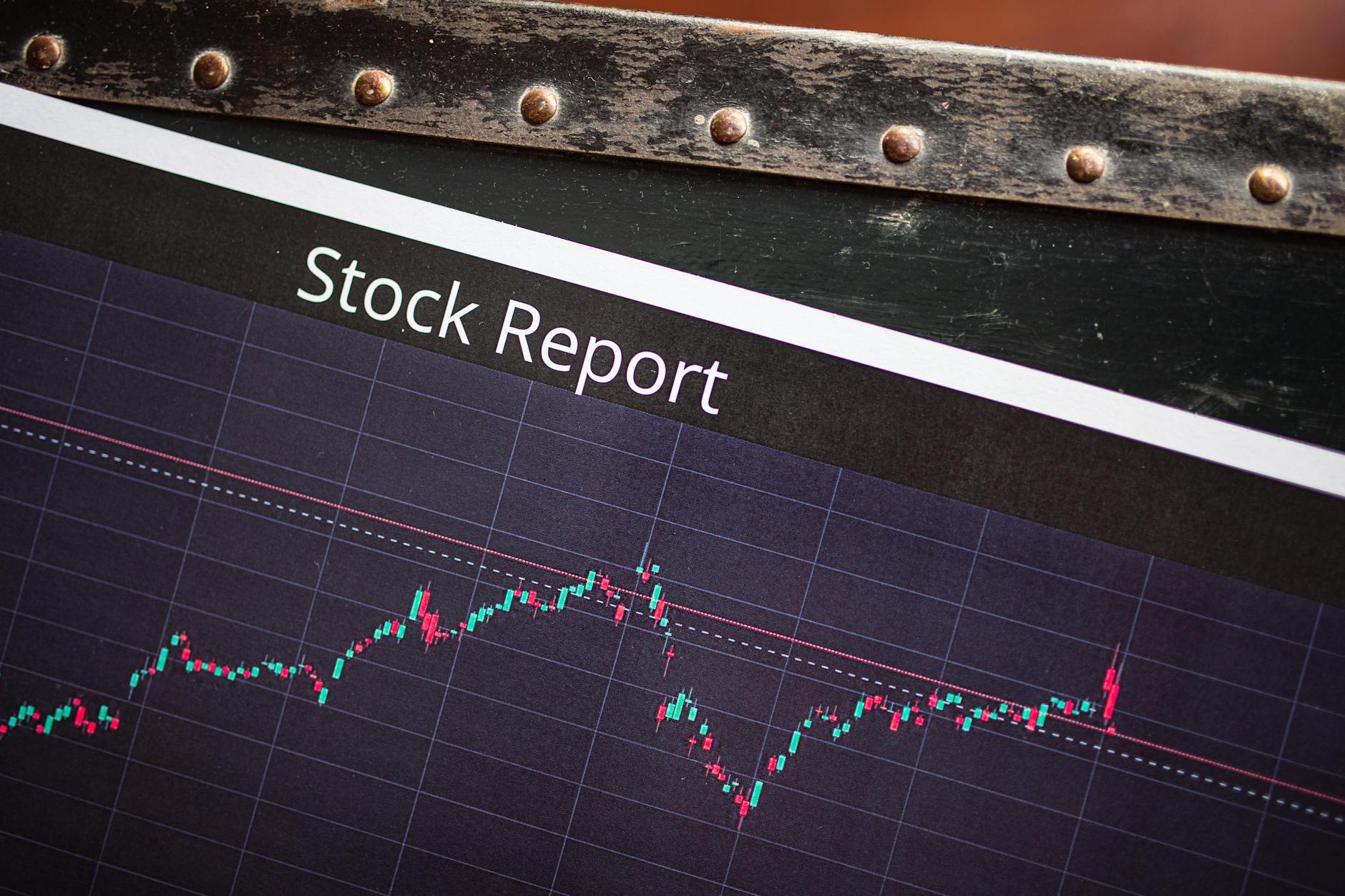
Sensex Jumps 700 Points: Markets Rebound in India
Indian stock markets staged a strong rebound in early trade on Friday, with the benchmark Sensex jumping more than 700 points, according to a report by The Hindu. The recovery came after a volatile previous session, signalling renewed buying interest across key sectors. The broader Nifty also advanced, reflecting a broad-based upmove that lifted market sentiment. Analysts say the rebound was driven by positive global cues, value buying at lower levels, and easing concerns over certain macroeconomic factors. The early trade rally provided much-needed relief to investors who had witnessed sharp swings in recent sessions.
The Sensex surged past key resistance levels in the opening hour itself, with banking, financial services, and information technology stocks leading the charge. Market participants noted that the upmove was supported by strong buying in index heavyweights. The Nifty, too, traded comfortably above its crucial support zone, indicating that bulls were back in control. According to analysts, the rebound could sustain if global markets remain stable and domestic institutional flows continue to be positive. However, they cautioned that volatility may persist ahead of key economic data releases and global central bank policy decisions.
| Index | Movement |
|---|---|
| Sensex | Jumped more than 700 points |
| Nifty | Advanced in early trade |
The table above summarises the headline numbers from the early trade session. While the exact closing figures were not available at the time of writing, the intraday surge of over 700 points on the Sensex was significant enough to lift investor wealth considerably. Analysts say that such rebounds often attract retail investors who look to capitalise on short-term momentum. Nonetheless, they advise caution and recommend focusing on fundamentally strong stocks rather than chasing the rally blindly.
Analysts say the rebound was driven by positive global cues, value buying at lower levels, and easing concerns over certain macroeconomic factors.
From a sectoral perspective, banking and financial stocks were among the top gainers, followed by IT and auto counters. The rally was not limited to large-caps alone; mid-cap and small-cap indices also participated in the upmove, though the pace was relatively moderate. Market breadth remained positive, with more advancing stocks than declining ones on the BSE. This broad participation is often seen as a healthy sign for the sustainability of a rebound. However, experts suggest that investors should watch for follow-through buying in the coming sessions to confirm a trend reversal.
Globally, Asian markets traded mixed, while US futures pointed to a cautious opening. Crude oil prices remained steady, and the rupee opened marginally stronger against the US dollar. These factors collectively contributed to the positive sentiment in Indian equities. Foreign institutional investors (FIIs) have been net sellers in recent sessions, but domestic institutional investors (DIIs) have absorbed much of the selling pressure. Analysts say that continued DII support could act as a cushion for the markets. Additionally, expectations of a stable earnings season have kept hopes alive for a sustained recovery.
For retail investors, the rebound serves as a reminder of the importance of asset allocation and long-term investing. While short-term traders may look to ride the momentum, long-term investors should evaluate their portfolios and consider staggered buying. Mutual fund SIPs remain a disciplined way to navigate volatility. As the market evolves, staying informed and avoiding emotional decisions is key. For more such market insights and updates, visit MarketToMoney.