Sensex Falls 600 Points: Why Is the Stock Market Down Today?
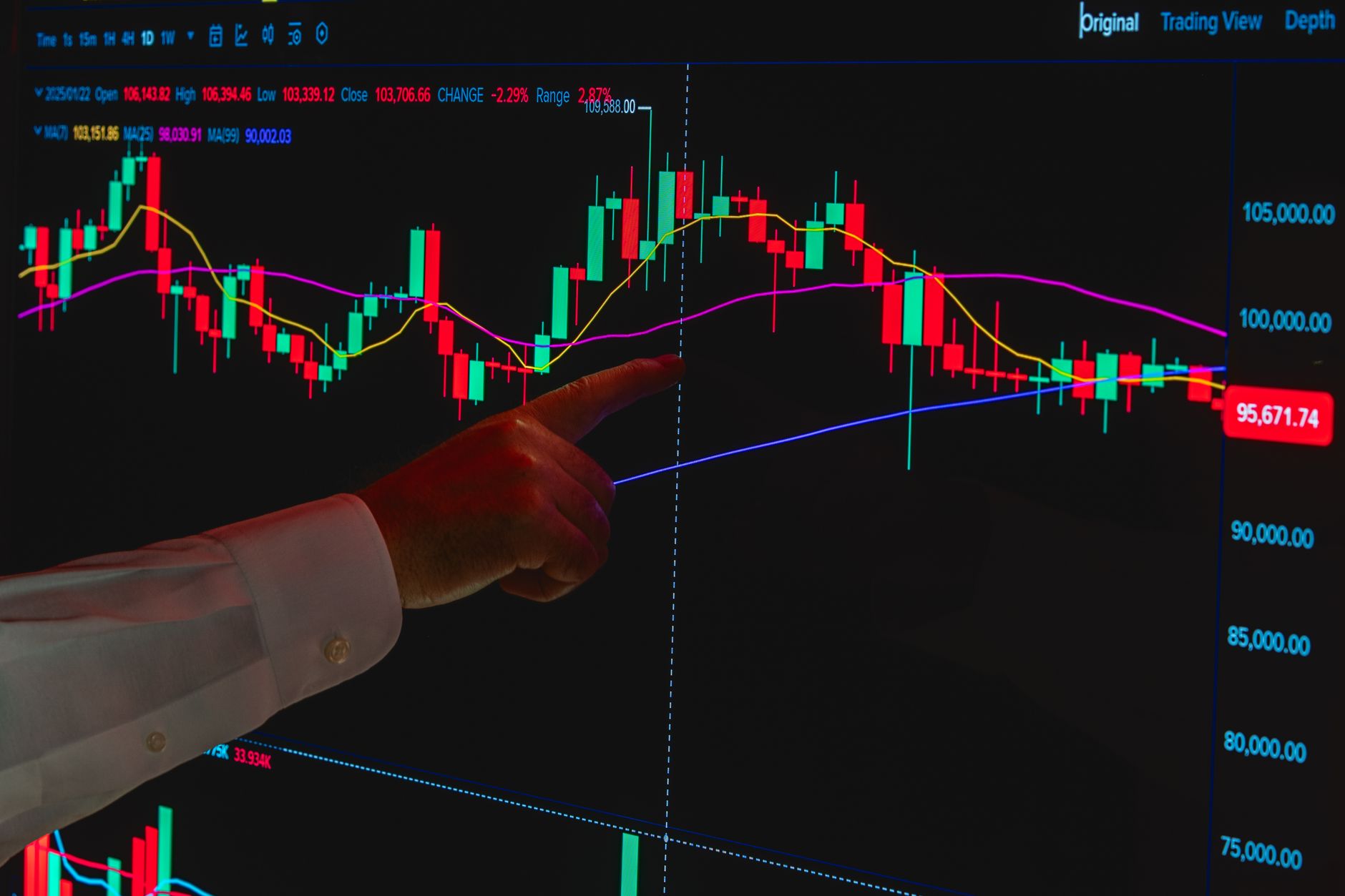
The Indian stock market opened on a weak note today, with the Sensex falling about 600 points as selling pressure built across sectors. The decline has left retail investors asking a simple question: why is the stock market down today? While short-term moves are rarely driven by a single factor, market participants point to a combination of global cues, sector rotation and profit-booking after recent gains. Analysts say the fall is a reminder that equity markets do not move in a straight line, and that volatility is part and parcel of investing in Indian equities. For long-term investors, days like this are less about panic and more about reviewing allocation, staying diversified and avoiding impulsive decisions.
Broad-based selling was visible, with the Sensex down roughly 600 points during the session. The weakness was not confined to one sector — analysts say the pressure reflected a wider risk-off mood rather than a company-specific issue. When the index falls this sharply, it is usually the result of several forces acting together: global markets trading weak, foreign portfolio flows turning cautious, and domestic traders booking profits in stocks that have run up recently. The table below summarises the key market snapshot from the source, showing the scale of the fall and the mood across the market.
| Indicator | Move Today |
|---|---|
| Sensex | Down about 600 points |
| Market breadth | Broad-based selling across sectors |
| Investor sentiment | Cautious, risk-off mood |
| Primary driver | Global cues, profit-booking, sector rotation |
So what exactly is weighing on sentiment? Analysts say global cues matter a great deal for Indian markets, because foreign investors look at India alongside other emerging markets. When overseas indices trade weak, or when global bond yields and currency movements turn unfavourable, flows into Indian equities can slow. That, in turn, pressures large-cap stocks that dominate the Sensex. A second factor is profit-booking. After a period of gains, traders often lock in profits, and this selling can snowball into a sharper index-level fall. A third factor is sector rotation — money moving out of expensive pockets and into relatively cheaper ones — which can make the headline index look weak even when some stocks hold up.
Analysts say sharp single-day falls are often driven by sentiment and flows rather than a change in the underlying fundamentals of Indian companies. Investors should focus on earnings, valuation and time horizon rather than reacting to every 600-point swing.
What should investors do on a day like this? First, avoid panic selling. Historically, markets have recovered from sharp declines, though past performance is never a guarantee. Second, review your portfolio's diversification — if one sector or stock is dominating, a fall like today's is a good reason to rebalance. Third, keep an eye on global developments, since India does not trade in isolation. Fourth, if you are a systematic investor, continue your SIPs; falling markets lower your average purchase cost over time. Finally, keep cash buffers for emergencies so that market volatility never forces you to sell at a loss. Analysts say disciplined, long-term investors tend to fare better than those who chase short-term moves.
In short, the Sensex's 600-point fall today reflects a cautious mood driven by global cues, profit-booking and sector rotation rather than any single shock. For readers tracking Indian markets, the key takeaway is to stay informed, stay diversified and avoid emotional decisions. For deeper analysis, market updates and practical investing guides, visit MarketToMoney — your trusted resource for understanding the Indian stock market.