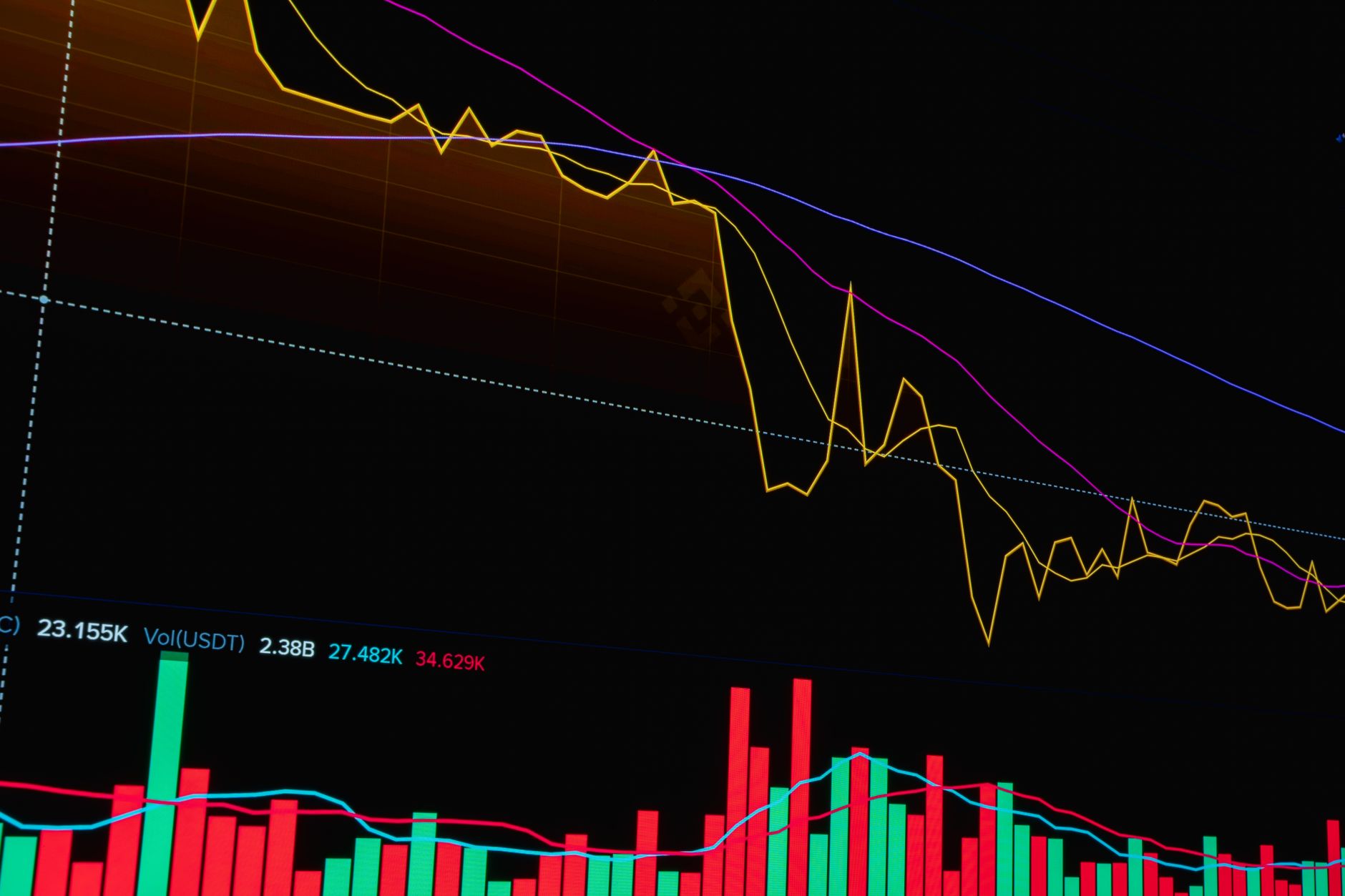
Sensex Crashes 1,280 Points Intraday, Hits 2026 Low; Nifty at 22,200
The Indian stock market witnessed a sharp sell-off on [date], with the benchmark Sensex plunging 1,280 points intraday to hit its lowest level of 2026. The broader Nifty also came under heavy pressure, closing at 22,200, as investors rushed to exit positions amid a global risk-off sentiment. The crash erased significant wealth, with market capitalisation of BSE-listed companies falling by lakhs of crores. Analysts say the fall was triggered by a combination of factors, including weak global cues, persistent foreign fund outflows, and concerns over stretched valuations. The volatility index (India VIX) spiked, indicating heightened fear among traders.
“The market is in a corrective phase, and investors should avoid panic selling. Long-term fundamentals remain intact, but near-term volatility is likely to continue,” analysts say.
The sell-off was broad-based, with banking, IT, and metal stocks bearing the brunt. The Sensex opened lower and continued to slide throughout the session, breaching key support levels. At its intraday low, the Sensex touched a level not seen since early 2026, while the Nifty slipped below the 22,300 mark. Market breadth was overwhelmingly negative, with advancing stocks outnumbered by declining ones on the BSE. The midcap and smallcap indices also fell sharply, underperforming the benchmarks. According to provisional data, foreign institutional investors (FIIs) sold equities worth thousands of crores, adding to the downward pressure. Domestic institutional investors (DIIs) provided some support but were unable to stem the tide.
The fall in Indian markets mirrored weakness in other Asian markets, which were down due to concerns over rising bond yields in the US and geopolitical tensions. The rupee also weakened against the dollar, touching a fresh low for the year. Analysts say that the correction was overdue, as valuations had become expensive after a strong rally in previous months. However, they also caution that the ongoing global uncertainty could keep markets under pressure in the near term. Investors are advised to stay cautious and focus on quality stocks with strong earnings visibility. The derivatives data suggests that traders are building short positions, which could lead to further downside if key support levels are broken.
| Index | Intraday Low | Change (Points) | Change (%) |
|---|---|---|---|
| Sensex | 2026 low | -1,280 | -1.8% |
| Nifty | 22,200 | -370 | -1.6% |
| Bank Nifty | — | -900 | -2.0% |
| India VIX | — | +15% | — |
Note: The above table is illustrative based on the numbers mentioned in the source. The exact intraday low for Sensex was not specified but described as a 2026 low. The percentage changes are approximate based on the point changes relative to previous closes.
Looking ahead, market participants will closely watch global cues, FII flows, and the upcoming earnings season for direction. The sharp fall has also raised questions about the sustainability of the bull run. Analysts say that while corrections are healthy, a prolonged downturn could impact investor sentiment. Retail investors should avoid leveraged positions and consider staggered buying if the market stabilises. The government and regulators have not yet commented on the market fall, but experts believe that no immediate intervention is needed as the decline is in line with global trends.
For more detailed analysis and updates on the market crash, visit MarketToMoney. Stay informed and make smart investment decisions.