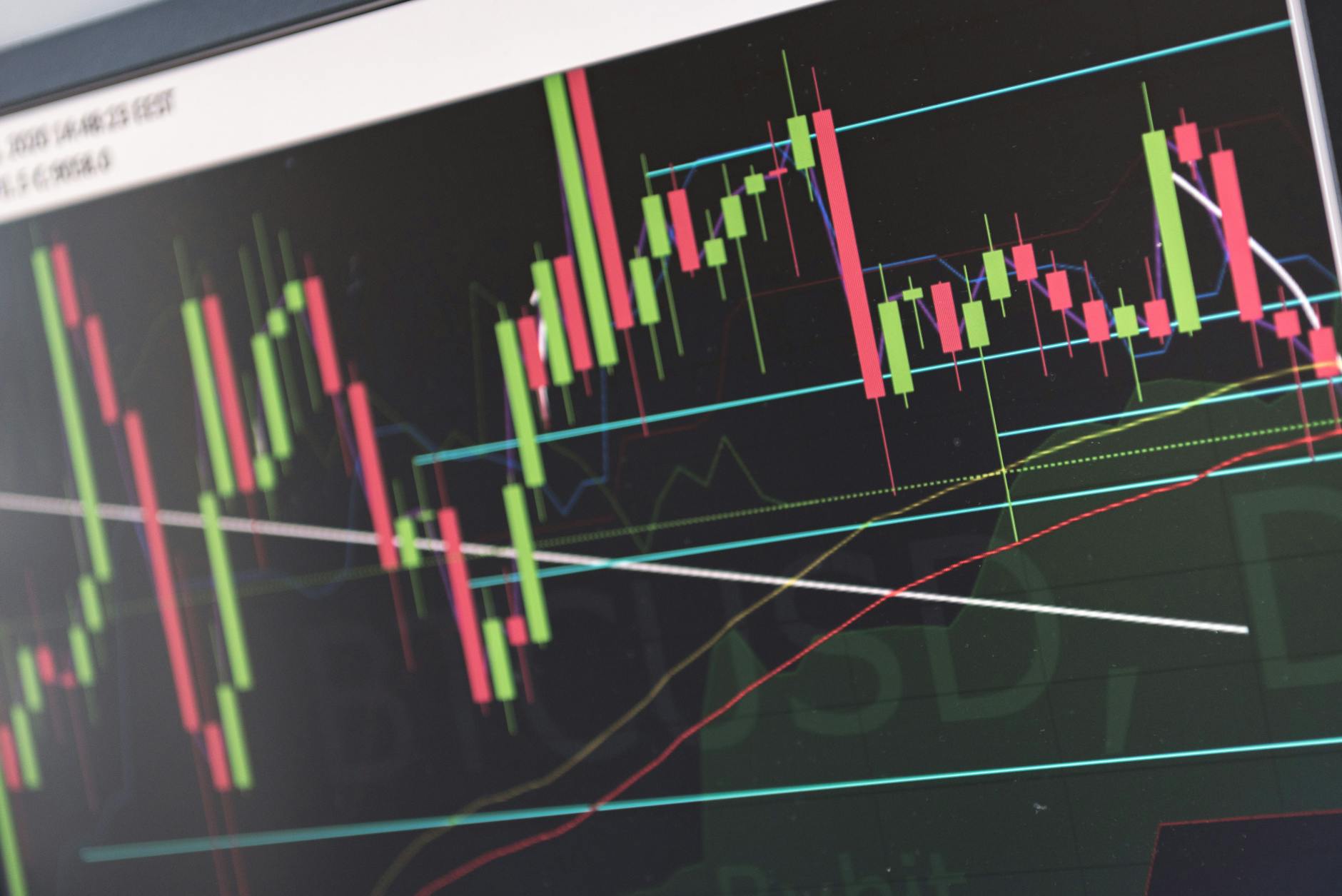
Nifty 50, Sensex Prediction Today: Indian Stock Market Outlook for 21 July
As Indian retail investors gear up for the trading session on 21 July 2026, the domestic equity benchmarks—Nifty 50 and BSE Sensex—are expected to open on a cautious note, influenced by mixed global cues and domestic macroeconomic data. The market is likely to remain range-bound, with support from banking and auto stocks, while IT and pharma sectors may face headwinds.
Stat-callout: On 20 July, Nifty 50 closed at 24,850, while Sensex ended at 81,200—both near their recent resistance levels. The India VIX, a measure of market volatility, stood at 12.5, indicating subdued fear among traders.
Indian Stock Market Outlook for 21 July 2026
The Indian stock market is expected to trade in a narrow range on 21 July, with the Nifty 50 likely to find support at 24,700 and resistance at 25,000. The BSE Sensex may oscillate between 80,800 and 81,600. Experts attribute this cautious stance to the upcoming Q1 FY27 earnings season, where companies like Reliance Industries, Tata Consultancy Services (TCS), and HDFC Bank are set to announce their results. The market is also keeping an eye on the Reserve Bank of India (RBI) monetary policy stance, as inflation remains a concern.
Key Levels for Nifty 50 and Sensex
| Index | Support Level | Resistance Level | Expected Range |
|---|---|---|---|
| Nifty 50 | 24,700 | 25,000 | 24,700–25,000 |
| BSE Sensex | 80,800 | 81,600 | 80,800–81,600 |
| Bank Nifty | 51,200 | 51,800 | 51,200–51,800 |
Sectoral Outlook in India
- Banking & Financials: HDFC Bank, ICICI Bank, and Bajaj Finance are expected to remain in focus. The banking sector has shown resilience, with strong credit growth in Q1 FY27. However, profit-booking may occur near higher levels.
- Auto: Maruti Suzuki India, Tata Motors, and Mahindra & Mahindra may see buying interest, driven by festive season demand and lower input costs. The auto sector is benefiting from improved supply chains and strong rural demand.
- IT: TCS, Infosys, and Wipro may remain under pressure due to global recession fears and weak client spending. The rupee's stability against the dollar is also a factor.
- Pharma: Sun Pharma and Dr. Reddy's Laboratories may witness volatility, as the sector is influenced by USFDA approvals and generic drug pricing.
Blockquote: "The Indian stock market is at a critical juncture. While domestic fundamentals remain strong, global cues—especially from the US Federal Reserve and geopolitical tensions—could trigger short-term corrections. Retail investors should focus on quality large-cap stocks and avoid speculative trades." — Market expert at MarketToMoney
Factors Influencing Indian Stock Market on 21 July
- Global Cues: Asian markets, including Japan's Nikkei and Hong Kong's Hang Seng, are trading mixed. The US Federal Reserve's interest rate decision and commentary on inflation will be closely watched.
- Domestic Macro Data: India's GST collections for June 2026 stood at ₹1.8 lakh crore, a 10% year-on-year growth, indicating robust economic activity. However, the trade deficit widened to ₹25 billion in June.
- FII/DII Activity: Foreign Institutional Investors (FIIs) have been net buyers in July, investing ₹15,000 crore so far. Domestic Institutional Investors (DIIs) have also been active, providing support to the market.
- Oil Prices: Brent crude is trading around $85 per barrel, which is favourable for India's import-dependent economy. A sustained decline in oil prices could boost market sentiment.
How to Trade Nifty 50 and Sensex on 21 July
For retail investors in Mumbai, Delhi, Bengaluru, and Chennai, the strategy should be to buy on dips near support levels. The Nifty 50's immediate support at 24,700 is a strong buying zone, with a stop-loss at 24,500. Similarly, the Sensex can be bought near 80,800 with a target of 81,400. Traders should avoid aggressive positions ahead of the US Fed meeting.
Stock-Specific Ideas
- Reliance Industries: Buy at ₹2,950, target ₹3,050, stop-loss ₹2,900. The stock is expected to benefit from strong retail and telecom segments.
- Maruti Suzuki: Accumulate at ₹11,200, target ₹11,500, stop-loss ₹11,000. The company's new model launches and festive season demand are key drivers.
- HDFC Bank: Hold at ₹1,680, target ₹1,720, stop-loss ₹1,650. The bank's steady earnings growth and low NPA levels make it a safe bet.
Conclusion
The Indian stock market on 21 July 2026 is likely to see a cautious start, with the Nifty 50 and Sensex trading within a narrow band. Retail investors should focus on fundamental analysis and avoid panic selling. With the festive season around Diwali, the market may see increased volatility but also opportunities in select sectors.
For more detailed analysis and real-time updates, visit MarketToMoney. Our platform provides expert insights, stock recommendations, and market news tailored for Indian investors. Stay informed and make smarter trading decisions.