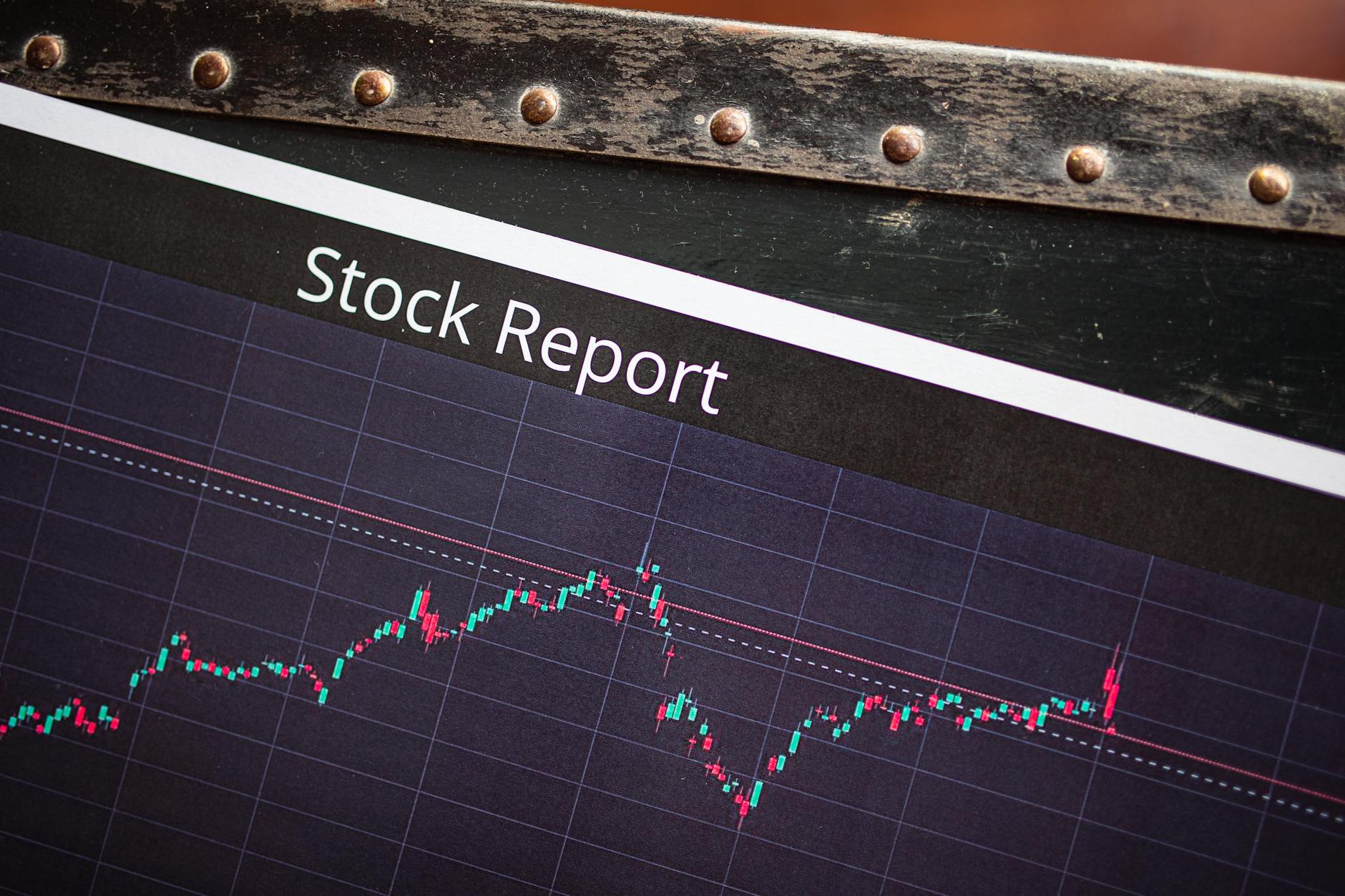
Sensex, Nifty Outlook Sept 14-18: 5-Week Losing Streak to Extend?
The Indian stock market is heading into the September 14-18 trading week with a clear question on every investor's mind: will the Sensex and Nifty extend their five-week losing streak, or is a relief rally finally on the cards? The benchmark indices have now declined for five consecutive weeks, a stretch that has tested the patience of retail investors and prompted institutional players to reassess their near-term positioning. As the new week begins, market participants are watching a handful of domestic and global triggers that could decide whether the losing streak continues or finally breaks.
According to market analysts, the five-week slide has been driven by a combination of persistent foreign fund outflows, elevated valuations after a strong multi-year rally, and uncertainty around global interest rate trajectories. The Sensex and Nifty have given up a meaningful portion of their 2026 gains during this period, with broader markets also feeling the pinch. Midcap and smallcap indices, which had outperformed in the earlier part of the year, have seen sharper corrections as risk appetite has cooled. Analysts say that while corrections are a normal part of a bull market, the length of this particular losing streak is now testing sentiment.
Analysts say the coming week could be decisive for the near-term trend, as a combination of domestic macroeconomic data, global cues, and derivative expiry-related positioning will determine whether the benchmarks stabilise or extend their decline. A close above key support levels would be the first sign that selling pressure is easing, they add.
Looking at the week ahead, several triggers stand out. On the domestic front, investors will watch for any fresh macroeconomic data releases, including inflation and industrial output numbers if scheduled, as well as commentary from policymakers. On the global front, the trajectory of US bond yields, the dollar index, and crude oil prices will remain critical. Foreign institutional investor (FII) flows have been a major driver of the recent weakness, and any reversal in selling could provide the spark for a bounce. Additionally, the derivatives segment could see heightened volatility as traders roll over positions.
| Trigger | Why It Matters |
|---|---|
| FII/DII Flows | Persistent foreign outflows have pressured largecaps; any buying from domestic institutions can cushion the fall. |
| Global Cues (US Yields, Dollar) | Rising US yields and a strong dollar typically weigh on emerging market equities, including India. |
| Crude Oil Prices | Higher crude prices stoke inflation concerns and hurt India's import bill, impacting sentiment. |
| Derivatives Expiry | Rollover activity and expiry-related positioning can amplify intraday volatility. |
| Domestic Macro Data | Inflation, IIP, and trade data influence rate expectations and sectoral performance. |
From a technical perspective, analysts say the Nifty has been hovering around a crucial support zone. A sustained break below this zone could open the door for further downside, while a rebound from here could signal the start of a recovery. The Sensex, similarly, is trading near levels that have historically attracted value buying. However, analysts caution that until there is a clear reversal in FII flows and a stabilisation in global markets, any bounce could be short-lived. Investors are advised to avoid panic selling and instead focus on accumulating quality stocks on dips, in line with their risk profile and investment horizon.
Sector-wise, the recent correction has been broad-based, but some pockets have held up better than others. Defensive sectors such as FMCG and pharmaceuticals have relatively outperformed, while high-beta sectors like metals, realty, and public sector banks have borne the brunt of the selling. Analysts say that if the market stabilises, beaten-down sectors could see a sharp rebound, but the risk of further downside remains if global cues deteriorate. For long-term investors, this correction may offer an opportunity to build positions in fundamentally strong companies with visible earnings growth.
In conclusion, the September 14-18 week is likely to be a make-or-break period for the Indian stock market's near-term trend. Whether the Sensex and Nifty extend their five-week losing streak or stage a rebound will depend on a mix of global and domestic factors. Investors should stay informed, avoid impulsive decisions, and keep a long-term perspective. For detailed analysis and updates, visit MarketToMoney.