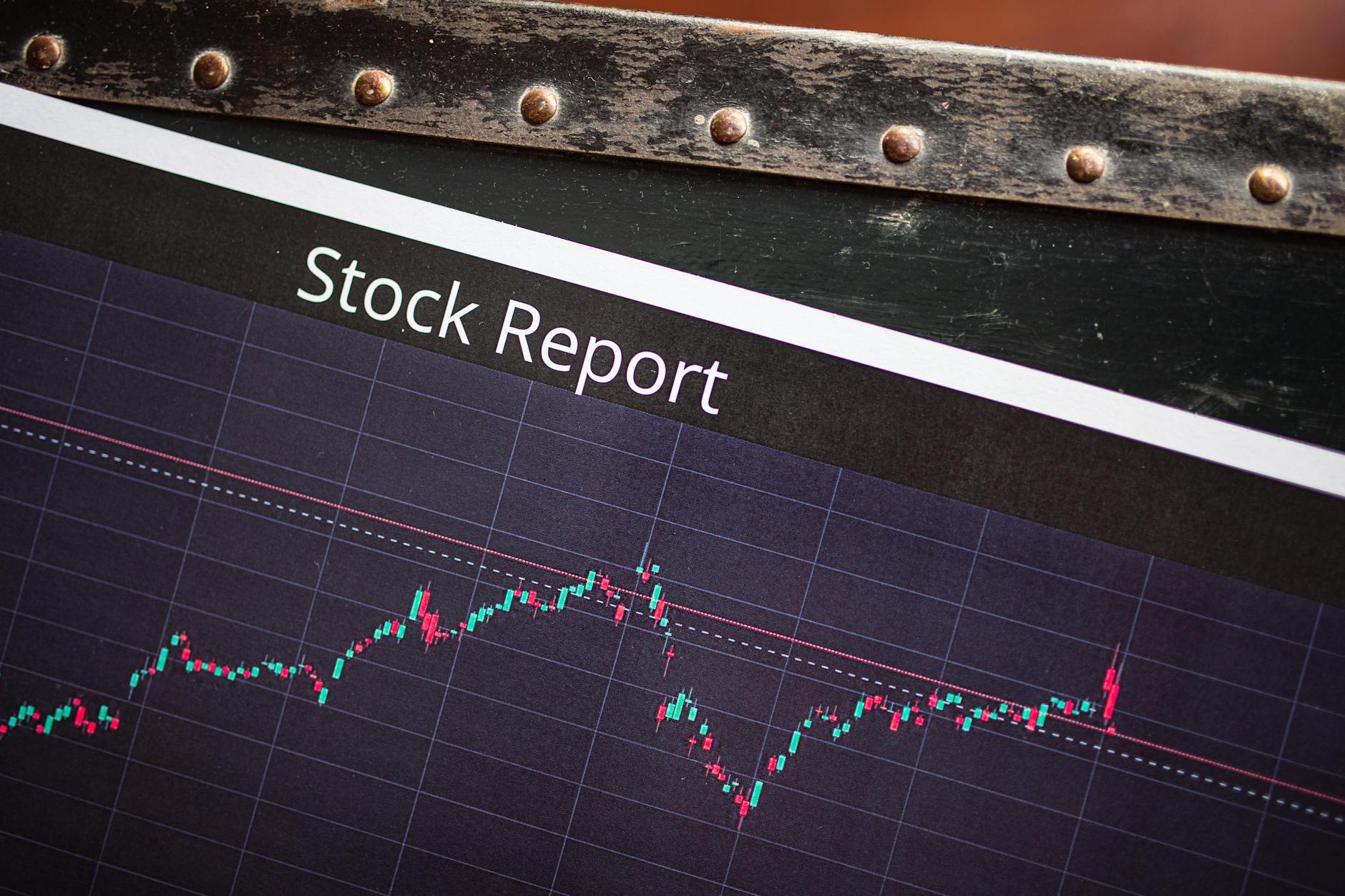
Indian Shares Extend Losses as High Oil Prices Heighten Inflation Worries
Indian shares extended their losing streak on the back of sustained strength in crude oil prices, which has reignited worries about inflation and the pressure it could place on corporate margins and household budgets. The market mood remained cautious as investors weighed the impact of expensive energy on India's import bill and on the broader economy. With oil sitting at elevated levels, analysts say the near-term outlook for equities has turned more cautious, particularly for sectors that are heavy consumers of fuel and raw materials derived from crude.
India imports the bulk of its crude oil requirement, so a sustained rise in prices tends to widen the trade deficit and feed through to transport, manufacturing and food costs over time. That transmission matters for inflation, and therefore for the interest rate expectations that have a direct bearing on equity valuations. Analysts say oil is once again the single biggest swing factor for the domestic market, and that any further climb could keep sentiment under pressure even as broader fundamentals remain intact.
| Indicator | Direction | Market implication |
|---|---|---|
| Crude oil prices | Elevated | Raises import bill and inflation risk |
| Indian shares | Extended losses | Weak risk appetite across the market |
| Inflation worries | Heightened | Weighs on rate-sensitive sectors |
| Investor sentiment | Cautious | Preference for defensive positioning |
The selling was broad enough to keep the indices under pressure through the session, with traders reluctant to add fresh positions ahead of clearer signals on the energy front. Analysts say the market is looking for signs that oil prices will stabilise, because a durable decline would ease inflation fears and give policymakers more room to support growth. Until then, volatility is likely to remain elevated, and short-term traders may continue to favour a cautious approach rather than chasing rebounds.
The market is looking for signs that oil prices will stabilise, because a durable decline would ease inflation fears and give policymakers more room to support growth.
For long-term investors, periods like this are often a reminder that energy prices can move markets quickly, but they rarely change the underlying case for diversified portfolios. Analysts say investors should focus on quality businesses with pricing power, manageable debt levels and earnings that are less sensitive to crude swings. Staying invested through such phases, while reviewing allocation to sectors most exposed to input cost pressure, is generally considered a more disciplined approach than reacting to every headline.
It is also worth noting that headline losses in the indices do not tell the whole story. Within the market, defensive sectors and companies with strong balance sheets often hold up better when inflation concerns dominate. Investors may want to track how the rupee, bond yields and crude prices move together over the coming sessions, as these variables tend to shape the direction of Indian equities more than any single day's price action. Analysts say a clearer picture will emerge only once the oil price trajectory settles and inflation data confirms whether the pass-through is contained or broadening.
For now, the message from the market is one of caution rather than panic. Indian shares have extended losses, but the underlying drivers remain identifiable and monitorable. Investors who stay informed, avoid overreacting and keep a long-term horizon are better placed to navigate this phase. For more market analysis, practical investing insights and updates on Indian equities, visit MarketToMoney and stay ahead of the curve.