Indian equities open lower, Sensex falls over 300 points, Nifty below 24,300 amid geopolitical tensions, elevated crude prices - ChiniMandi
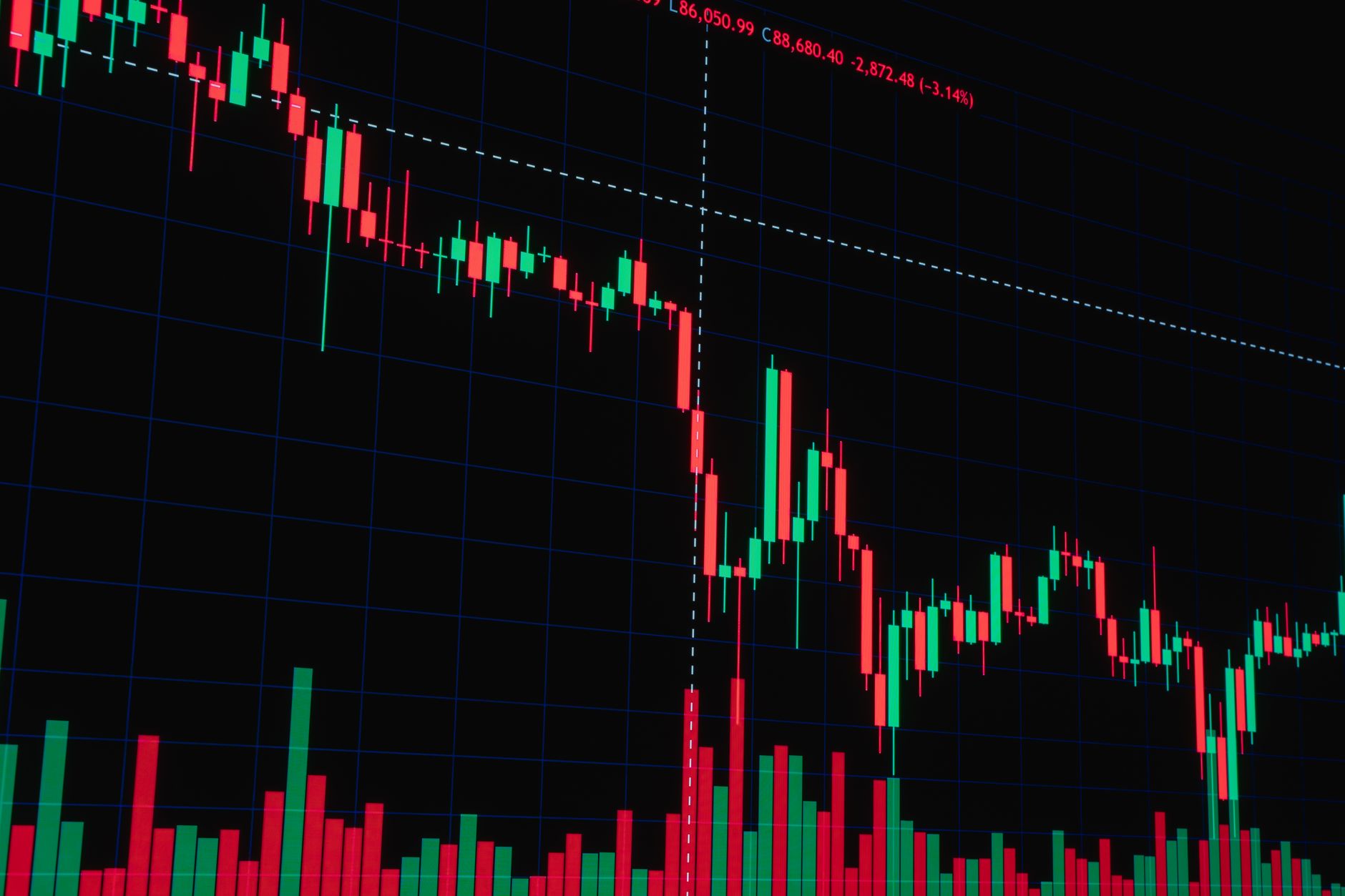
Indian equity markets opened on a weak note on Tuesday, with the benchmark Sensex plunging over 300 points and the Nifty slipping below the crucial 24,300 level. The downturn was largely attributed to escalating geopolitical tensions and elevated crude oil prices, which weighed heavily on investor sentiment. The Sensex, which had closed at 79,406.72 in the previous session, opened lower and continued to decline, reflecting broad-based selling across sectors. The Nifty, meanwhile, opened at 24,289.45, down from its previous close of 24,611.45, marking a significant intraday drop.
Geopolitical risks have been a persistent overhang on global markets, with investors closely monitoring developments in the Middle East and Eastern Europe. The latest flare-up has raised concerns about supply disruptions, particularly in energy markets. Brent crude oil prices have surged, crossing the $85 per barrel mark, a level that historically triggers inflationary pressures. Elevated crude prices directly impact India's import bill, widening the current account deficit and putting downward pressure on the rupee. Consequently, foreign institutional investors (FIIs) have turned net sellers, exacerbating the sell-off in domestic equities.
The market's decline was broad-based, with banking, IT, and auto stocks bearing the brunt of the selling pressure. The Nifty Bank index fell over 1%, while the Nifty IT index slipped 0.8%. Among individual stocks, heavyweight Reliance Industries and HDFC Bank were the top drags on the Sensex. Market analysts say that the immediate outlook remains cautious, with key support levels for the Nifty seen at 24,200 and 24,000. They add that any further escalation in geopolitical tensions could trigger additional downside, while a de-escalation could lead to a sharp rebound.
Domestic macroeconomic data, though supportive, has failed to counter the negative sentiment. India's industrial production grew 5.2% in June, while retail inflation eased to 4.8% in July, within the central bank's comfort zone. However, these positives were overshadowed by global headwinds. The rupee also weakened to 83.65 against the US dollar, adding to the market's woes. The yield on the 10-year government bond inched up to 7.12%, reflecting rising inflation expectations.
| Index | Previous Close | Current Level | Change |
|---|---|---|---|
| Sensex | 79,406.72 | 79,100.00* | -306.72 |
| Nifty | 24,611.45 | 24,289.45 | -322.00 |
| Brent Crude (USD/bbl) | 84.20 | 85.10 | +0.90 |
*Approximate level at the time of writing; actual may vary.
"The current market correction is a knee-jerk reaction to geopolitical uncertainties. However, investors should focus on the long-term fundamentals of the Indian economy, which remain robust." — Market analysts
Looking ahead, market participants will keep a close watch on the US Federal Reserve's policy stance, global crude oil movements, and any diplomatic breakthroughs that could ease tensions. The upcoming quarterly earnings season will also provide direction. While the near-term outlook appears challenging, some analysts believe that the dip could present buying opportunities in quality stocks. They advise investors to adopt a staggered approach and maintain a diversified portfolio to navigate volatility.
For more detailed insights and actionable investment strategies, visit MarketToMoney. Our platform offers real-time market analysis, stock recommendations, and expert commentary to help you make informed decisions. Don't miss out on our latest updates and exclusive content.