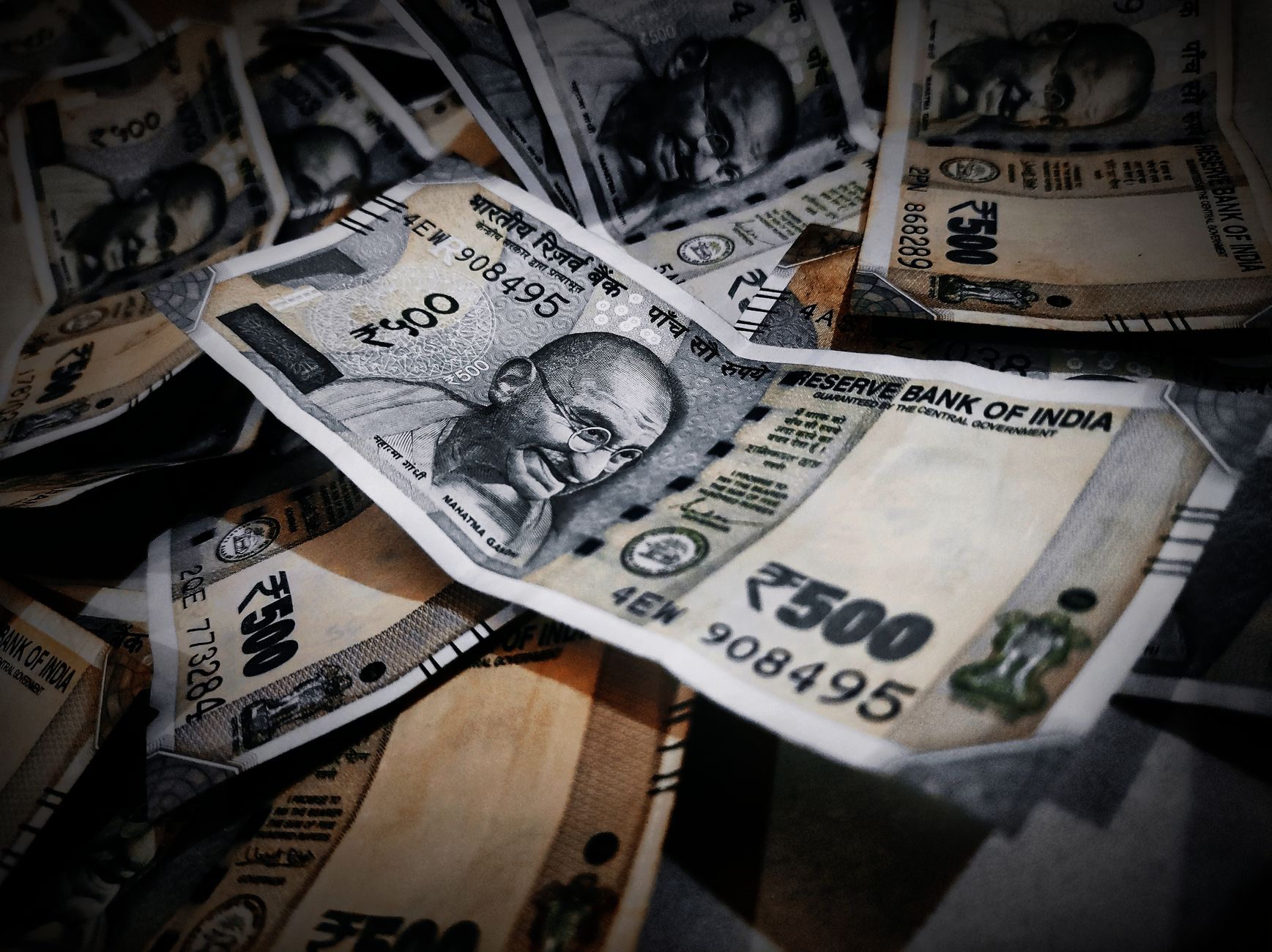
India Needs Over INR 30 Lakh Crore Investment to Reach 500 GW Non-Fossil Fuel Capacity by 2030
India's ambitious target of achieving 500 GW of non-fossil fuel energy capacity by 2030 will demand a monumental investment exceeding INR 30 lakh crore, according to recent assessments. This figure underscores the scale of transformation required in the country's energy sector, which is currently dominated by coal-based power. The investment is not just a number; it represents a comprehensive overhaul of grid infrastructure, renewable energy projects, storage solutions, and associated supply chains. Analysts point out that this level of capital infusion would position India as a global leader in clean energy, but it also brings forth significant challenges in financing, policy implementation, and technological adoption.
The projected investment is spread across various segments, including solar, wind, hydro, and nuclear power, as well as emerging areas like green hydrogen and battery storage. Solar energy is expected to account for the largest share, given its declining costs and vast potential, especially in states like Rajasthan and Gujarat. Wind power, both onshore and offshore, will also require substantial funding. Moreover, to ensure grid stability with intermittent renewable sources, investment in pumped hydro storage and advanced battery systems becomes critical. The government has already initiated several policy measures, such as production-linked incentives for solar manufacturing and viability gap funding for offshore wind, to attract private capital. However, industry experts emphasize that the pace of investment must accelerate significantly to meet the 2030 deadline.
“The sheer magnitude of INR 30 lakh crore investment signals that India is serious about its clean energy transition, but execution will be the key. We need a robust framework that de-risks investments and ensures timely returns for both domestic and international investors,” analysts say.
Financing such a massive undertaking will require a mix of domestic and international sources. Domestic financial institutions, including public sector banks and non-banking financial companies, are expected to play a pivotal role, but they may face capital constraints. International climate finance, green bonds, and multilateral funding from institutions like the World Bank and Asian Development Bank will be essential complements. Additionally, innovative financing mechanisms such as sovereign green bonds, infrastructure investment trusts, and crowdfunding for community solar projects could help mobilize resources. The recent issuance of sovereign green bonds by the Reserve Bank of India is a positive step, yet the amounts raised so far are minuscule compared to the overall requirement.
The investment will also create substantial economic opportunities, including job creation in manufacturing, installation, and maintenance of renewable energy systems. According to industry estimates, the renewable sector could employ millions of people by 2030, contributing to India's goal of sustainable development. However, the transition must be managed carefully to avoid stranded assets in the coal sector and to ensure a just transition for workers and communities dependent on fossil fuels. Policy stability, transparent bidding processes, and timely payment mechanisms are critical to maintaining investor confidence.
In conclusion, while the INR 30 lakh crore investment target is daunting, it is not insurmountable. With the right mix of policy support, technological innovation, and financial engineering, India can achieve its 500 GW goal and emerge as a clean energy superpower. The journey will require collaboration between government, industry, and financial institutions, but the potential rewards—both economic and environmental—are immense. For investors and businesses, this presents a once-in-a-generation opportunity to participate in India's green growth story.
To stay updated on such transformative market trends and investment opportunities, visit MarketToMoney for comprehensive analysis and insights.
| Metric | Value |
|---|---|
| Target Non-Fossil Fuel Capacity by 2030 | 500 GW |
| Required Investment | Over INR 30 lakh crore |
| Key Segments | Solar, Wind, Hydro, Nuclear, Green Hydrogen, Storage |
| Financing Sources | Domestic banks, International climate finance, Green bonds |