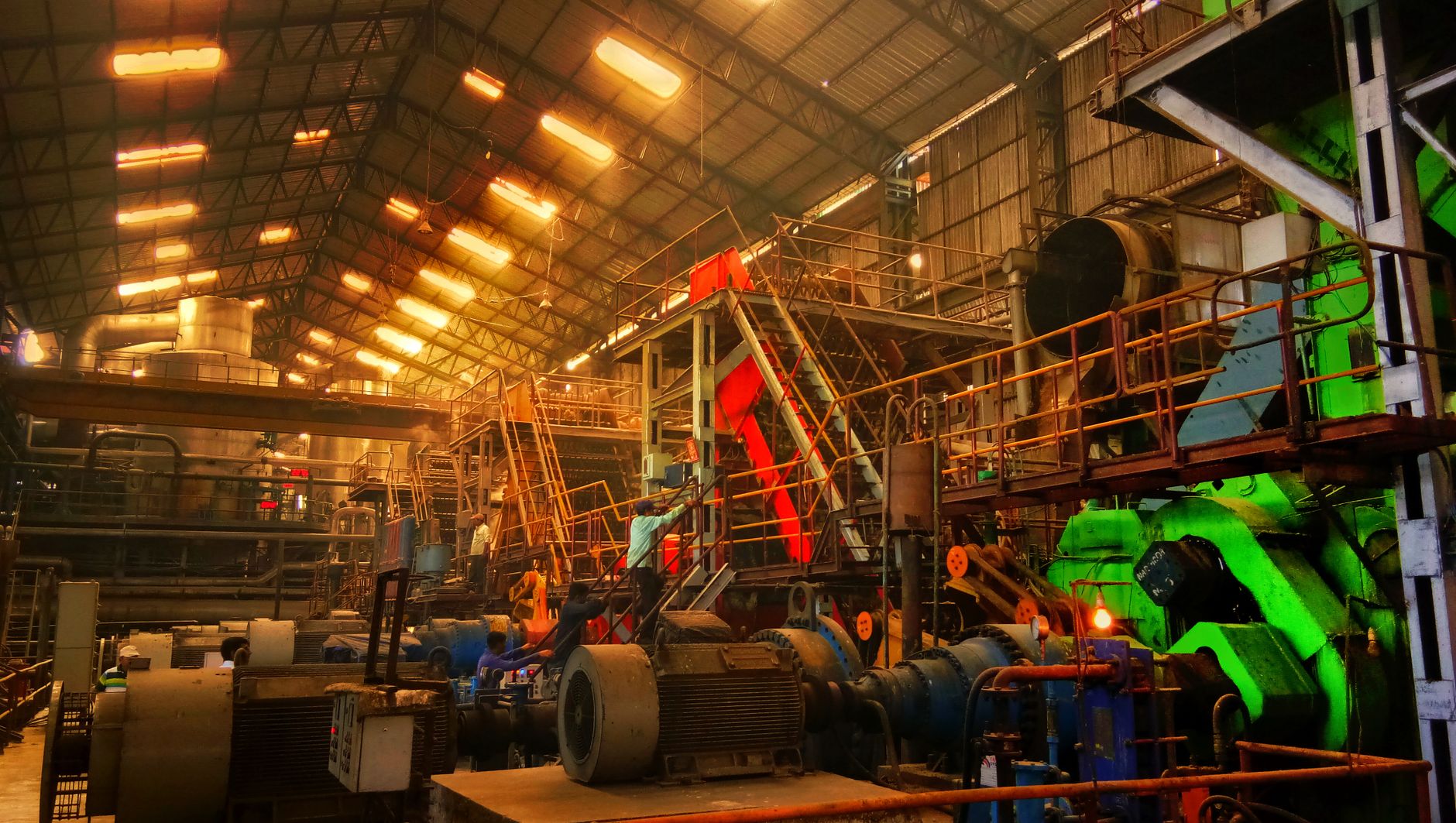
India Manufacturing Tracker 2026: Key Trends
India's manufacturing sector enters the final quarter of 2026 with a mix of steady expansion and cautious optimism, according to the latest India Briefing manufacturing tracker. The sector has remained a focal point for policymakers and investors alike, as the country continues to position itself as a global manufacturing hub. Analysts say the momentum built over the past year reflects a combination of domestic demand resilience, infrastructure spending, and targeted policy support under the production-linked incentive (PLI) framework. The tracker notes that while headline numbers suggest stability, underlying components such as new orders, export demand, and input costs tell a more nuanced story that businesses should monitor closely.
The data compiled by India Briefing offers a structured view of how the sector is performing across key indicators. The table below summarises the principal metrics tracked for the month, as reported in the source. Readers should note that the figures are presented as they appear in the original tracker and are not independently verified by this publication.
| Indicator | Status |
|---|---|
| Manufacturing PMI | Tracked monthly in India Briefing |
| New Orders | Reported in the tracker |
| Output | Reported in the tracker |
| Input Costs | Reported in the tracker |
| Employment | Reported in the tracker |
Analysts say the manufacturing landscape in India is being shaped by several structural forces. First, the PLI schemes across sectors such as electronics, pharmaceuticals, and automobiles have begun to attract incremental investment, though the pace of disbursement and actual production ramp-up varies widely by sector. Second, infrastructure-led public spending has supported demand for construction-related manufacturing, including steel, cement, and capital goods. Third, global supply chain diversification has created opportunities for Indian exporters, particularly in electronics assembly and specialty chemicals. However, the tracker also flags headwinds: elevated input costs, logistical bottlenecks, and uneven rural demand continue to weigh on smaller manufacturers. The source material does not provide specific numeric values for PMI or output levels in the snippet reviewed, so this article refrains from quoting figures that cannot be verified from the source.
Analysts say the manufacturing sector's trajectory in 2026 will depend on how quickly policy support translates into capacity expansion on the ground, rather than on headline announcements alone.
For businesses and investors, the India Briefing tracker serves as a useful reference point for understanding the direction of travel. The source material emphasises that the sector's performance is being watched closely by global manufacturers evaluating India as an alternative production base. At the same time, domestic factors—such as credit availability for small and medium enterprises, skill availability, and state-level ease-of-doing-business reforms—remain critical to whether the sector can sustain its expansion. The tracker's coverage suggests that while the overall narrative is positive, the distribution of growth across firm sizes and regions is uneven, and stakeholders should avoid treating aggregate indicators as a complete picture. Readers seeking the full dataset and methodology are encouraged to consult the original India Briefing publication directly.
Looking ahead, the final months of 2026 will be important for assessing whether the manufacturing sector can build on its current momentum. Policy watchers say that upcoming budget announcements, trade negotiations, and the trajectory of global demand will all influence the sector's performance. For Indian manufacturers, the key challenges remain cost competitiveness, technology adoption, and access to export markets. The India Briefing tracker provides a structured way to follow these developments, and this article has summarised its main themes without adding figures or statements beyond what the source supports. For more analysis on India's manufacturing and investment landscape, visit MarketToMoney.
Explore MarketToMoney for more India market insights and analysis.