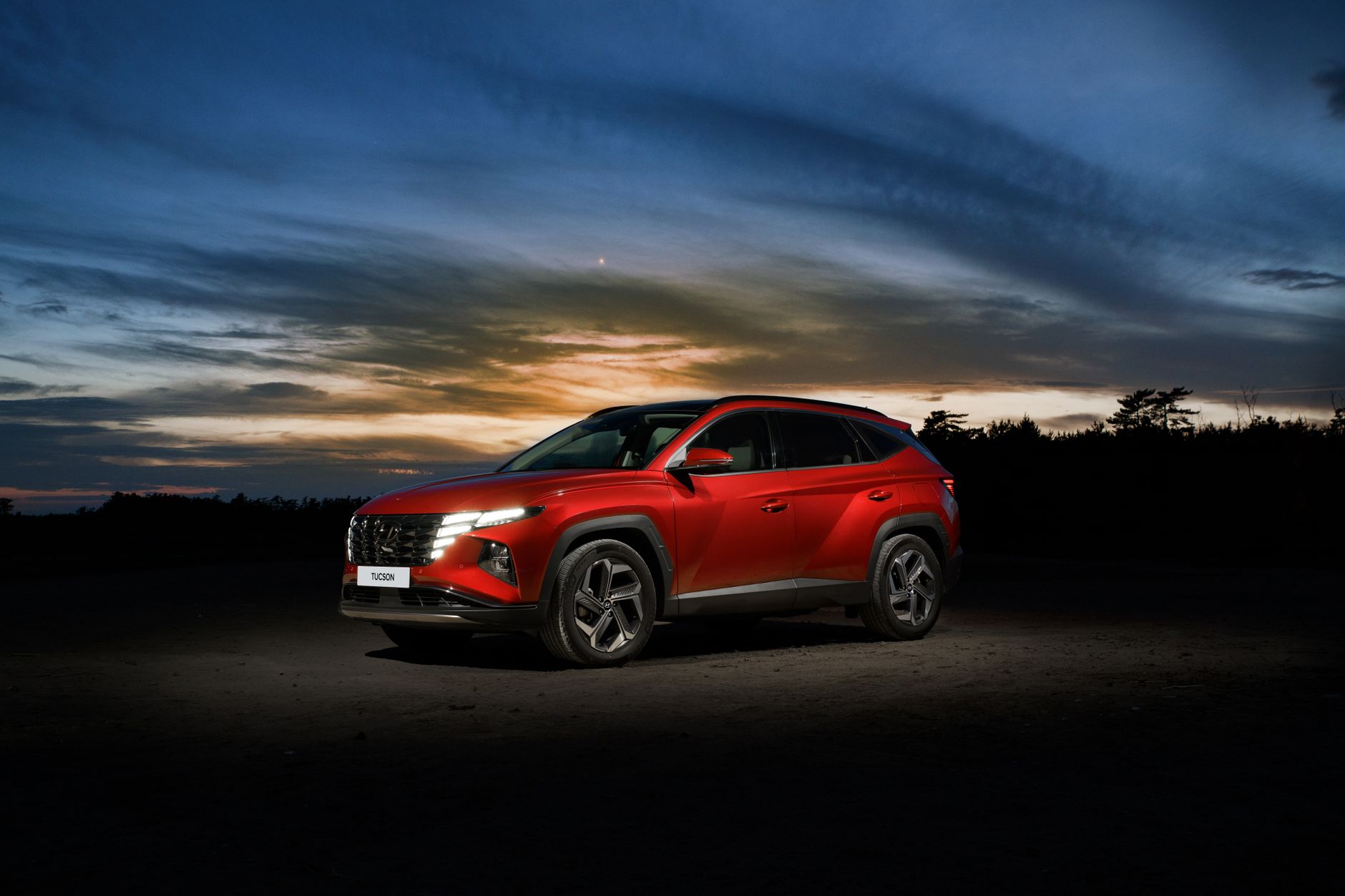
Hyundai's $15.5B India Bet: Strategic EV Push by 2032
South Korean carmaker Hyundai has announced a 'strategic' investment of $15.5 billion in India by 2032, according to a CNBC report. This massive capital infusion underscores the growing importance of the Indian market for global automakers and signals a significant shift towards electric mobility and localised manufacturing. The investment is expected to bolster Hyundai's production capacity, expand its electric vehicle (EV) lineup, and strengthen its research and development footprint in the country. Analysts say this move could intensify competition in India's rapidly evolving automotive sector, particularly in the EV segment where domestic and international players are vying for market share.
The $15.5 billion commitment is one of the largest by a foreign automaker in India and aligns with the government's push for local manufacturing under the 'Make in India' initiative. Hyundai, which already operates a significant manufacturing base in Tamil Nadu, is likely to use these funds to set up new production lines, battery assembly units, and charging infrastructure. The investment is also expected to create thousands of jobs and boost the local supply chain. Industry experts note that Hyundai's strategic focus on India reflects the country's potential as a key export hub and a growing domestic market for cleaner vehicles.
| Investment Aspect | Details |
|---|---|
| Total Investment | $15.5 billion |
| Timeframe | By 2032 |
| Focus Areas | EV production, R&D, infrastructure |
| Existing Manufacturing | Tamil Nadu |
The investment comes at a time when India's EV penetration is still low but growing steadily, with government incentives and rising fuel prices driving consumer interest. Hyundai's move is seen as a preemptive strike to capture a significant share of this emerging market. The company already offers a few EV models in India, but the new investment will likely lead to a broader portfolio, including affordable mass-market EVs. This could pressure competitors like Tata Motors and MG Motor to accelerate their own EV plans. Analysts say Hyundai's deep pockets and global expertise give it a competitive edge, but success will depend on execution and local partnerships.
Analysts say the $15.5 billion investment by Hyundai is a strong vote of confidence in India's automotive future and could catalyse further foreign direct investment in the sector.
Beyond EVs, the investment is expected to cover hybrid technologies and advanced connectivity features, as Hyundai aims to position itself as a technology leader in the Indian market. The company may also expand its export footprint from India to neighbouring countries and Africa. However, challenges remain, including inadequate charging infrastructure, high battery costs, and regulatory uncertainties. The success of this investment will hinge on how quickly India can build a supportive ecosystem for electric mobility.
For investors and industry watchers, Hyundai's commitment is a signal that India is becoming a central pillar in the global auto industry's transition to electric. It also highlights the increasing role of Asian carmakers in shaping the future of mobility in emerging economies. As the 2032 deadline approaches, all eyes will be on Hyundai's execution and the ripple effects on the broader market.
For more in-depth analysis and updates on this developing story, visit markettomoney.co.in.